Roman & Iron Age Festival – 1st August 2026
The Romans Are Coming to the Borders!
Get ready for a day of living history as the Roman and Iron Age worlds come to life in the Scottish Borders.
Meet Roman soldiers and Iron Age communities, explore ancient crafts and skills, and discover what life was like on the northern frontier of the Roman Empire nearly two thousand years ago.
With re-enactors, demonstrations and hands-on activities throughout the day, the festival will offer a lively glimpse into the people, cultures and conflicts that shaped this region in the Roman period.
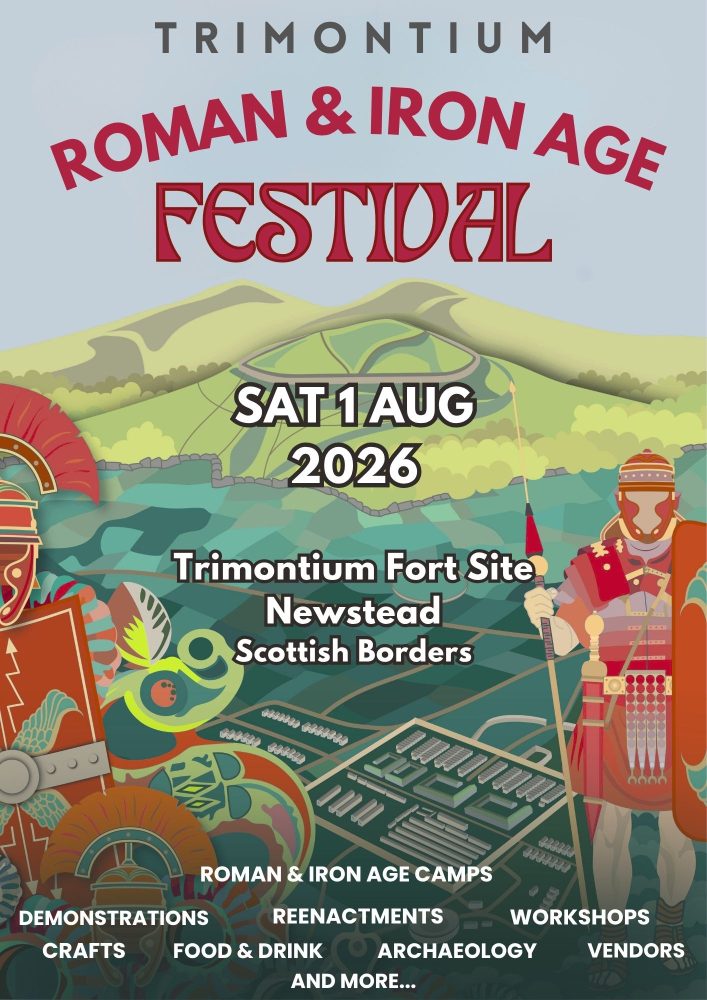
The Antonine Guard
The Antonine Guard will be encamped at the fort throughout the day, bringing the Roman military world to life with live demonstrations, displays and performances. Meet Roman soldiers on the frontier and discover the equipment, tactics and daily routines of the army that once occupied Trimontium including ballista demonstrations!
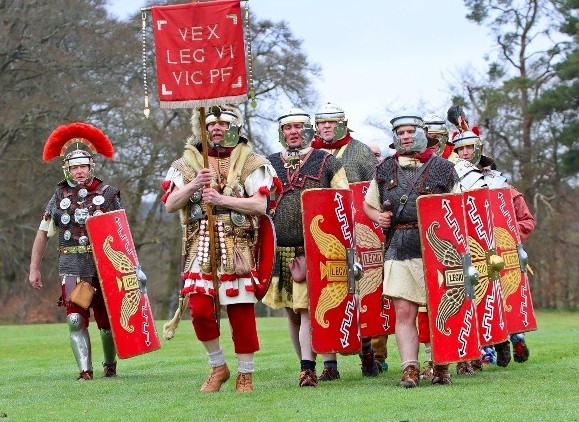
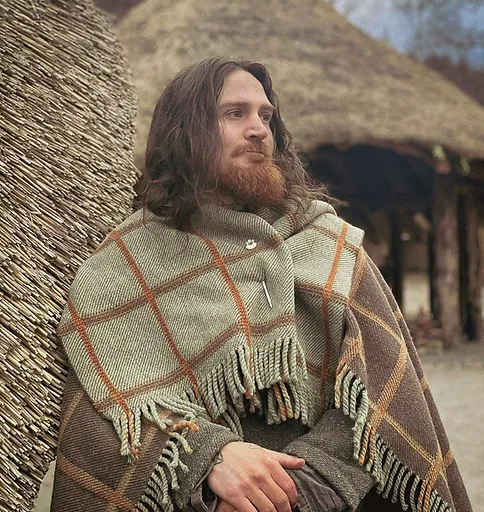
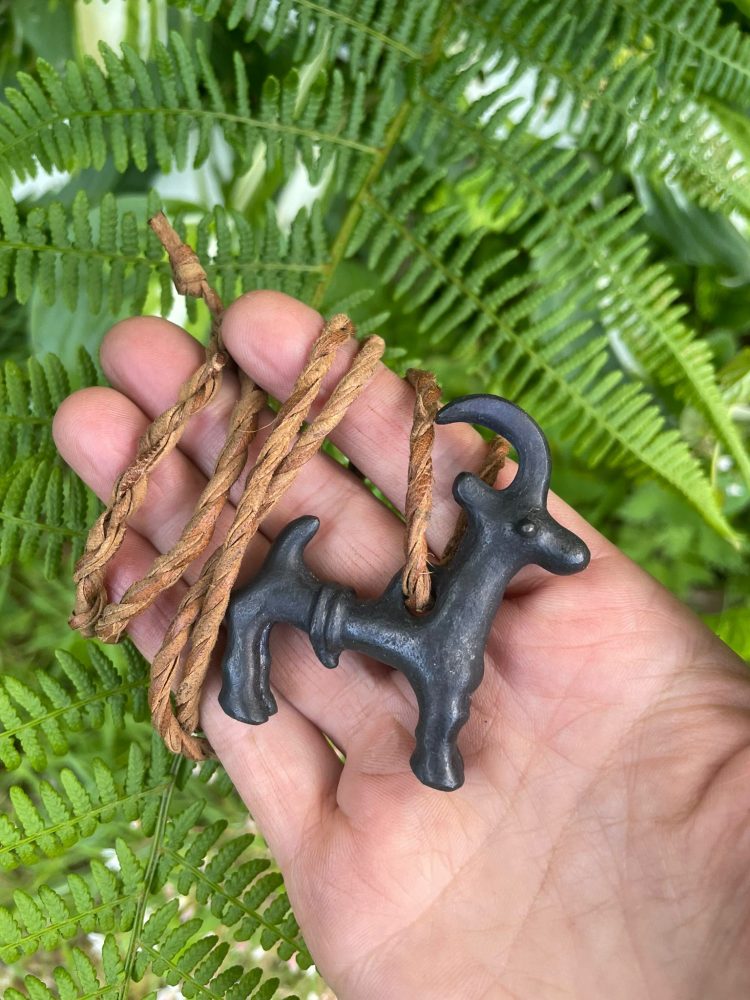
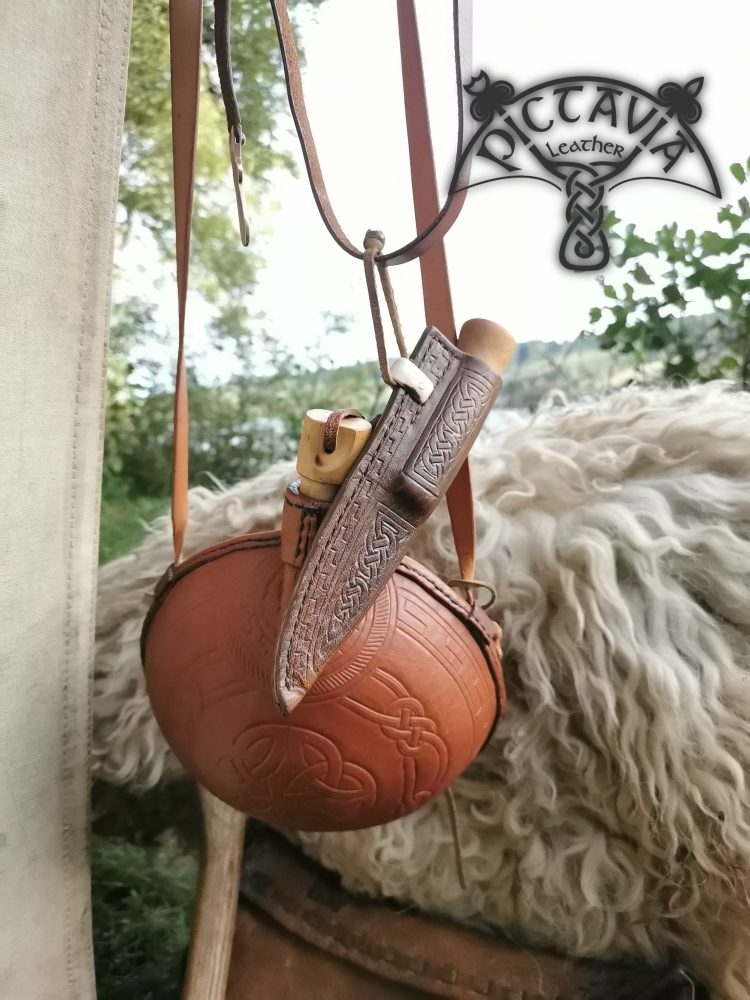
Pictavia Leather
Hamish Lamley of Pictavia Leather is a specialist in Pictish history and archaeology, known for his reconstruction work in hide tanning, leatherworking and coracle building. Hamish creates replica artefacts for museums, works as a historical consultant for film and television, and explores ancient tattooing traditions through his work as a licensed tattoo artist.
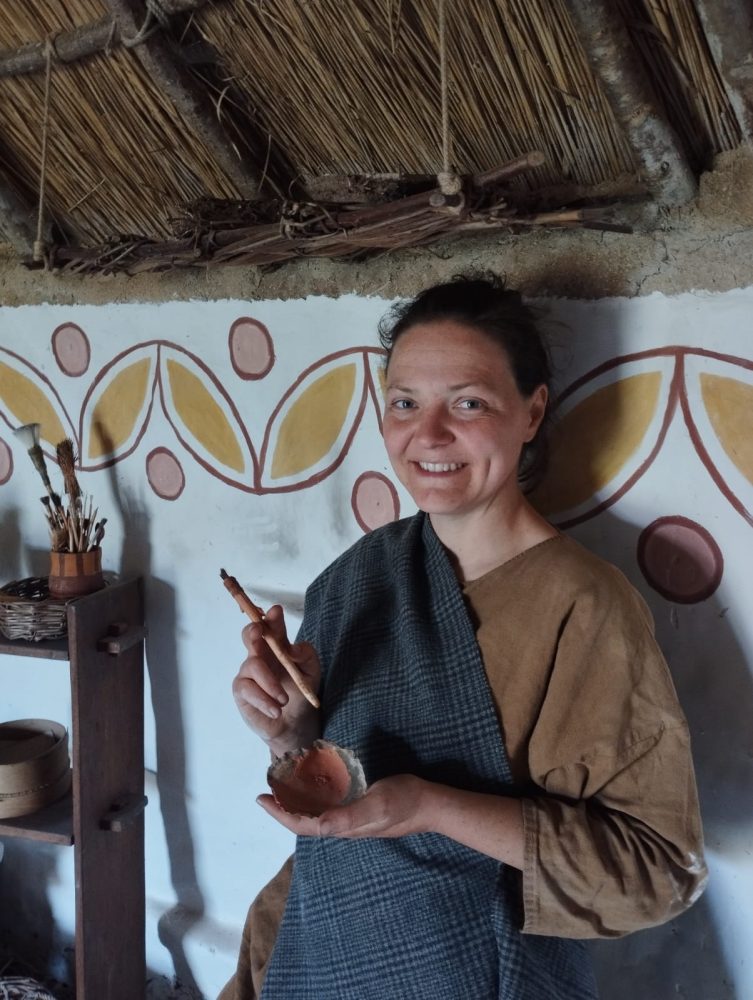
Pario Gallico – Iron Age Paints & Pigments
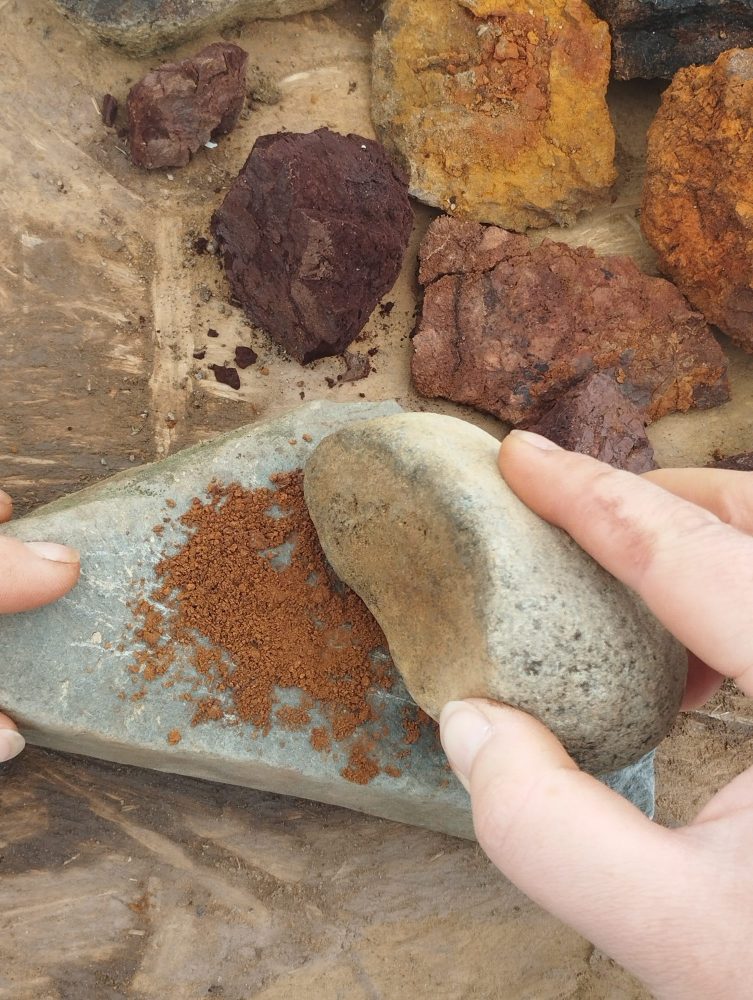
Thanks to modern archaeology, we know that paints were widely used during the Iron Age to decorate and protect objects, buildings and textiles. Pario Gallico will demonstrate how mineral pigments, paints and brushes were made using traditional techniques inspired by the ancient world.
Heritage Blades
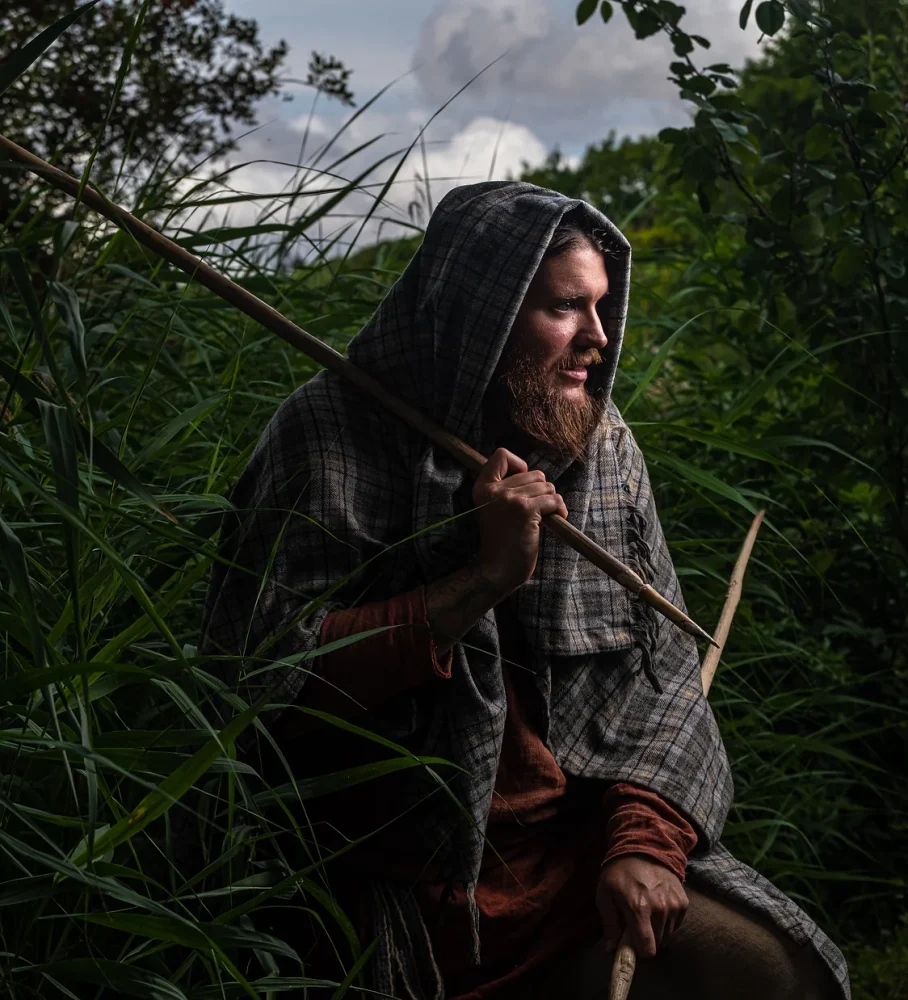
Experience traditional blacksmithing techniques and see historical metalworking brought to life through live demonstrations inspired by the crafts and technologies of the past. https://www.heritageblades.co.uk
Wasted Remains Jewellery
Goldsmith and stone setter Rona Dalgleish of Wasted Remains Jewellery creates historical replicas, bespoke keepsakes and handcrafted jewellery inspired by Celtic history and archaeological finds. Using traditional techniques, recycled materials and locally sourced gemstones, her work connects ancient craftsmanship with contemporary design.
Forge in the Forest
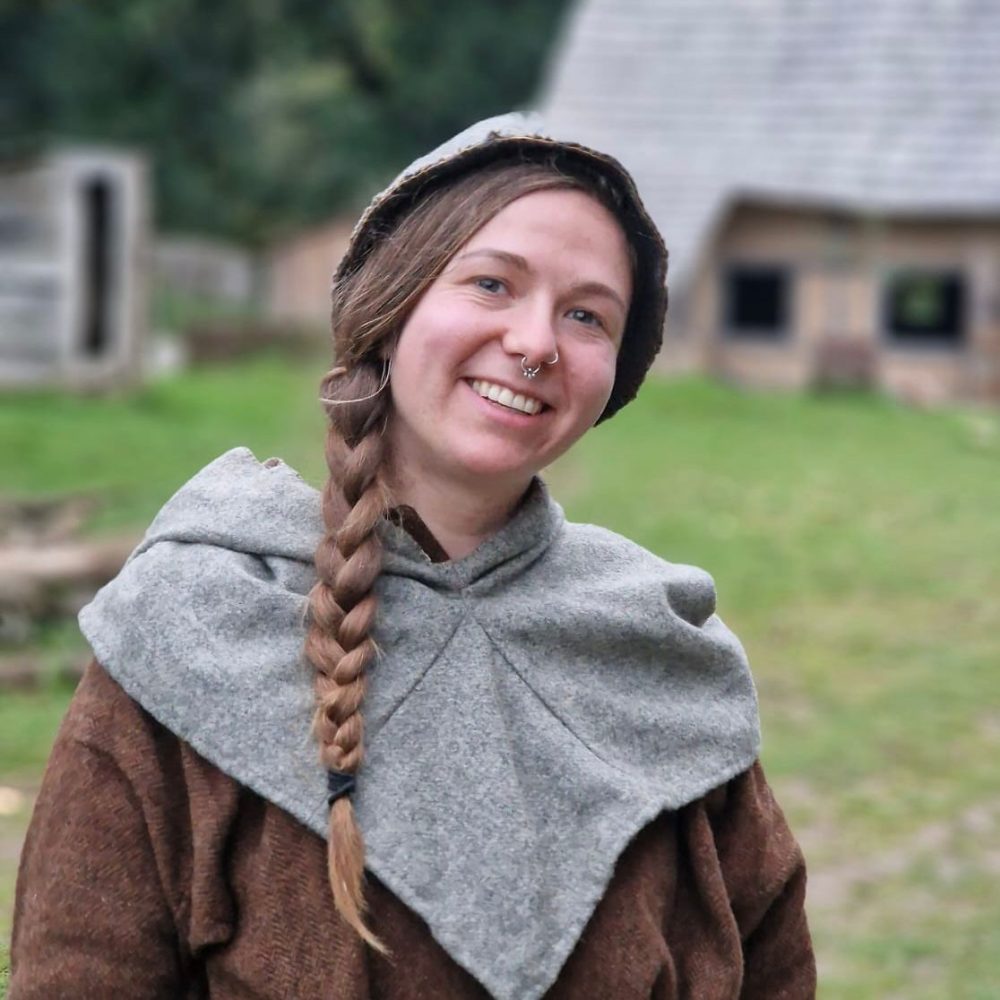
Step into the world of Iron Age craft with Forge in the Forest and discover how natural materials could be transformed into useful objects through skill, patience and ingenuity. Drawing inspiration from ancient traditions, they will be sharing hands-on activities and demonstrating techniques rooted in everyday Iron Age life.
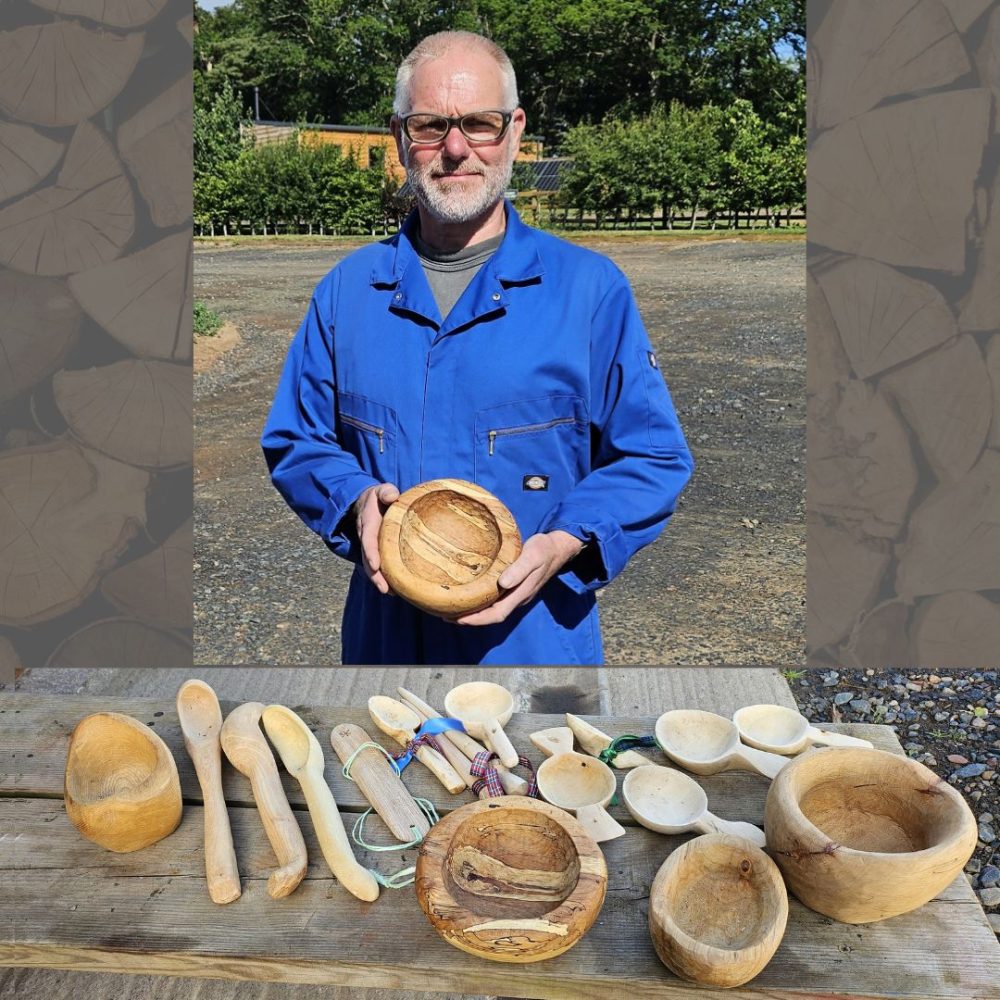
Stephen, Wood Carver
‘About 15 years ago I had to fell a tree in my garden. The lovely swirls and textures of the grain of the tree made me want to preserve it and to create something beautiful. I tried whittling for one day, and got hooked for life.
At the festival, I will demonstrate my craft with the use of a shave horse and axes. Finished objects will be on display to visualise the beauty of whittled wood’.
The Historical Herbalists
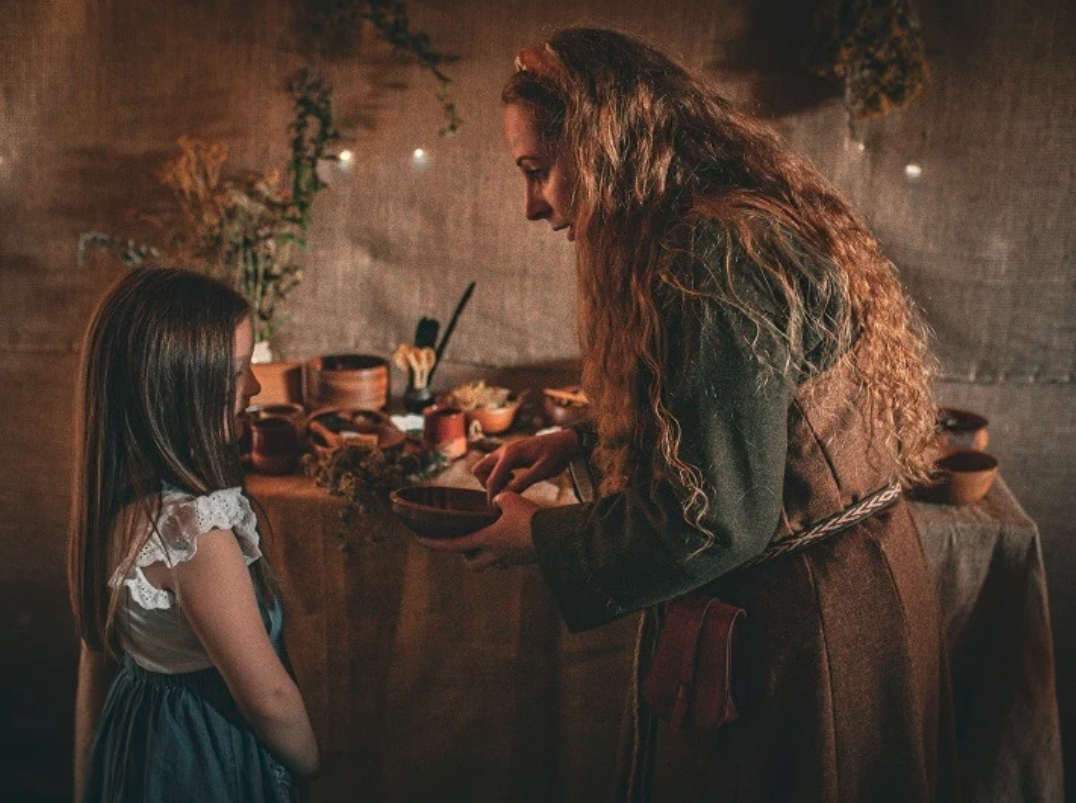
Step into the world of ancient medicine with The Historical Herbalists. Their Romano-British and Iron Age herbal apothecary showcases medicinal plants, traditional remedies and the tools of the healer, revealing how nature was used to care for body and mind long before modern medicine.
Archaeowood
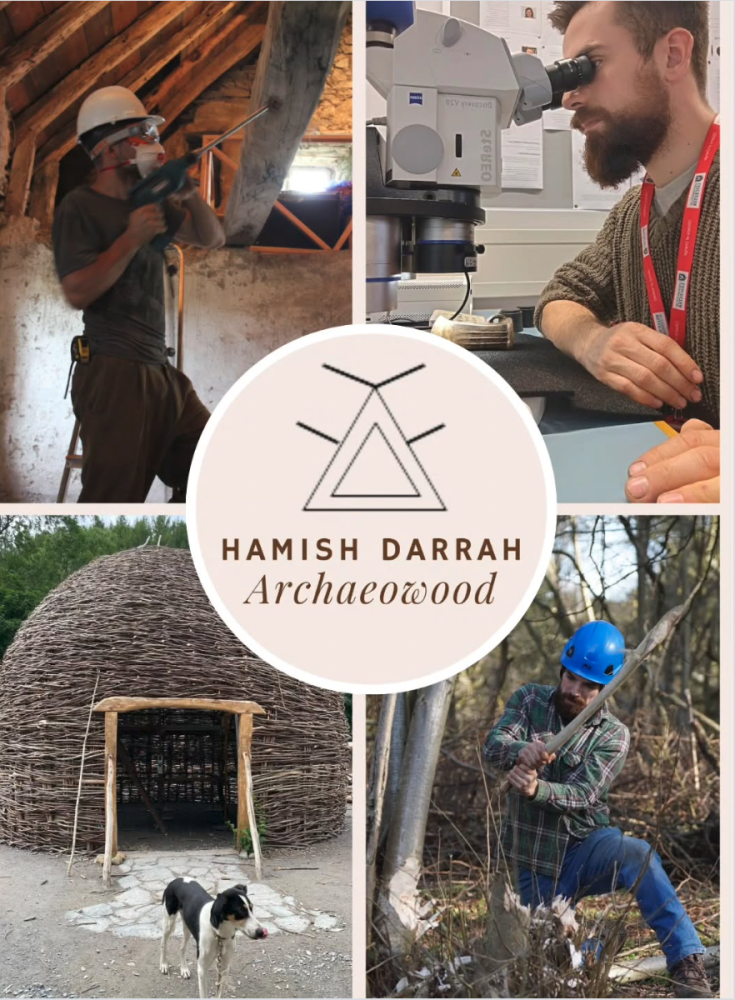
Join experimental archaeologist and traditional woodworker Hamish Darrah to explore the essential role of wood in Iron Age life. Located beside the footprint of our future Iron Age roundhouse, Archaeowood offers an insight into the materials, skills and traditional techniques used to shape homes, tools and everyday life nearly 2,000 years ago. Discover how experimental archaeology helps us reconnect with ancient craftsmanship and informs our understanding of the past.
Storytelling with Nicola Agricola
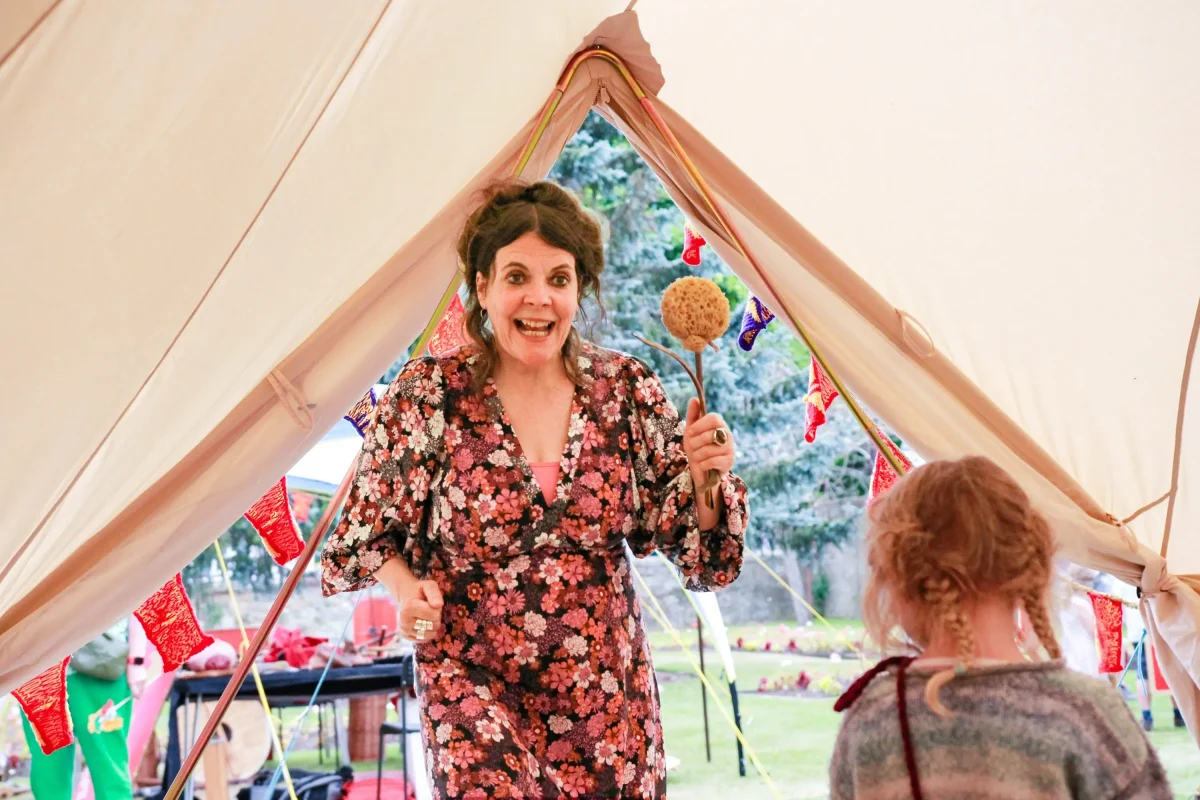
Gather round for tales from the Roman frontier with resident storyteller Nicola Agricola. Meet mighty gods, fearless warriors, curious characters and legendary creatures as history and myth come alive through captivating storytelling. Packed with humour, adventure and a few surprises along the way, these family-friendly sessions are perfect for curious minds of all ages.
Activities Throughout the Day
Alongside the living history camp, visitors will also be able to:
- Enjoy living history throughout the site
- Take part in participative archaeology activities
- Discover historical dowsing practices
- Join guided walks of the Trimontium fort site
- Explore authentic artefacts
- Enjoy workshops and live demonstrations
- Visit local food and drink vendors
- Book a pottery workshop or a nettle string workshop (add-on to your festival ticket upon checkout)
- Enjoy Face-painting, Storytelling and historical games
- and much more!
Workshops
A valid Festival entry ticket is required to register for Festival workshops.
Family Pottery Workshop
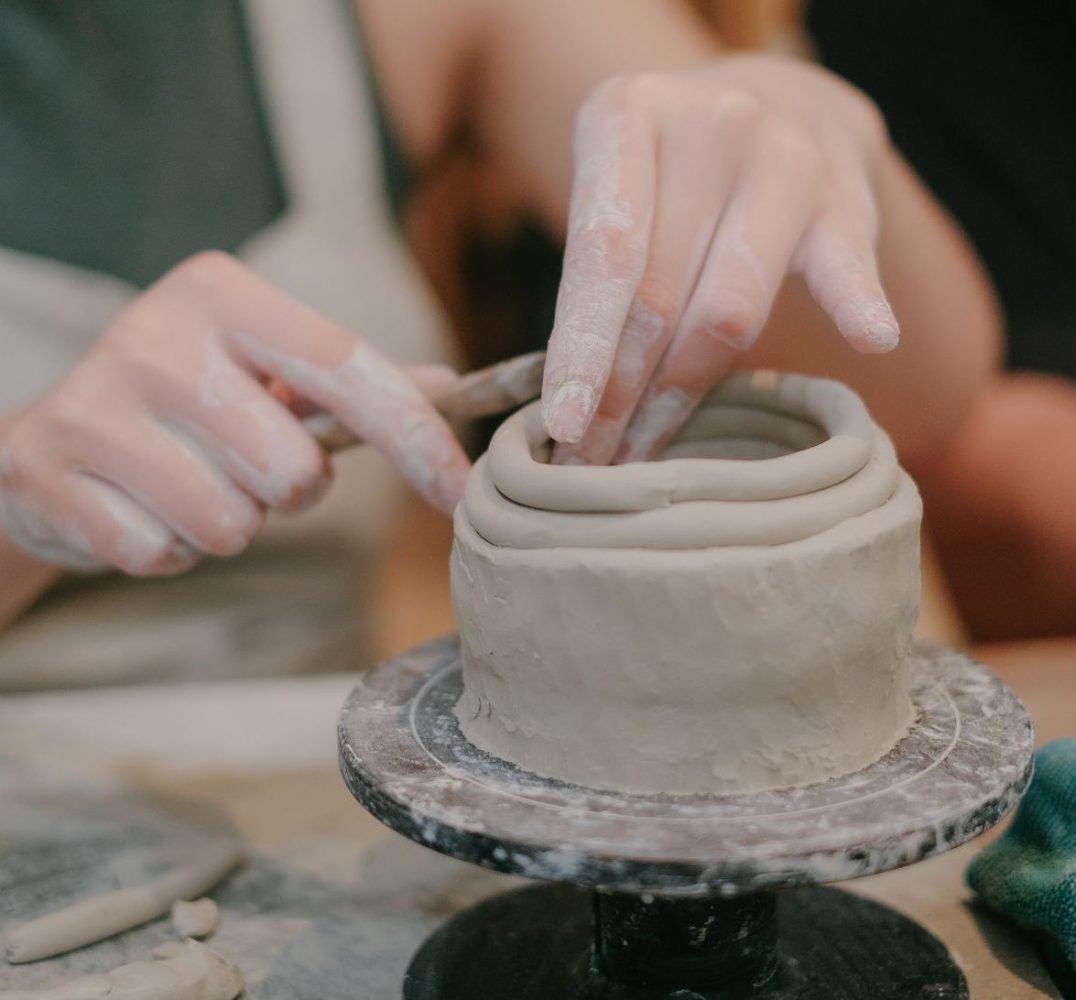
Make your own Iron Age clay pot using ancient techniques and air dry clay. The workshop ticket includes all materials and you can take your pot away with you.
Suitable for all ages, although smaller children may need some help from an adult.
Workshop runs at 10:15 am, 12:15 am & 2:30 pm. Booking in advance recommended, spaces limited.
30 minutes – Trimontium Craft Tent.
All participants need a valid Festival entry ticket to access the workshop.A
Fee: £3 per participant
Nettle String Workshop
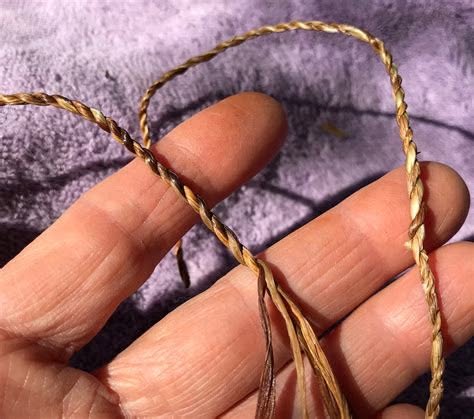
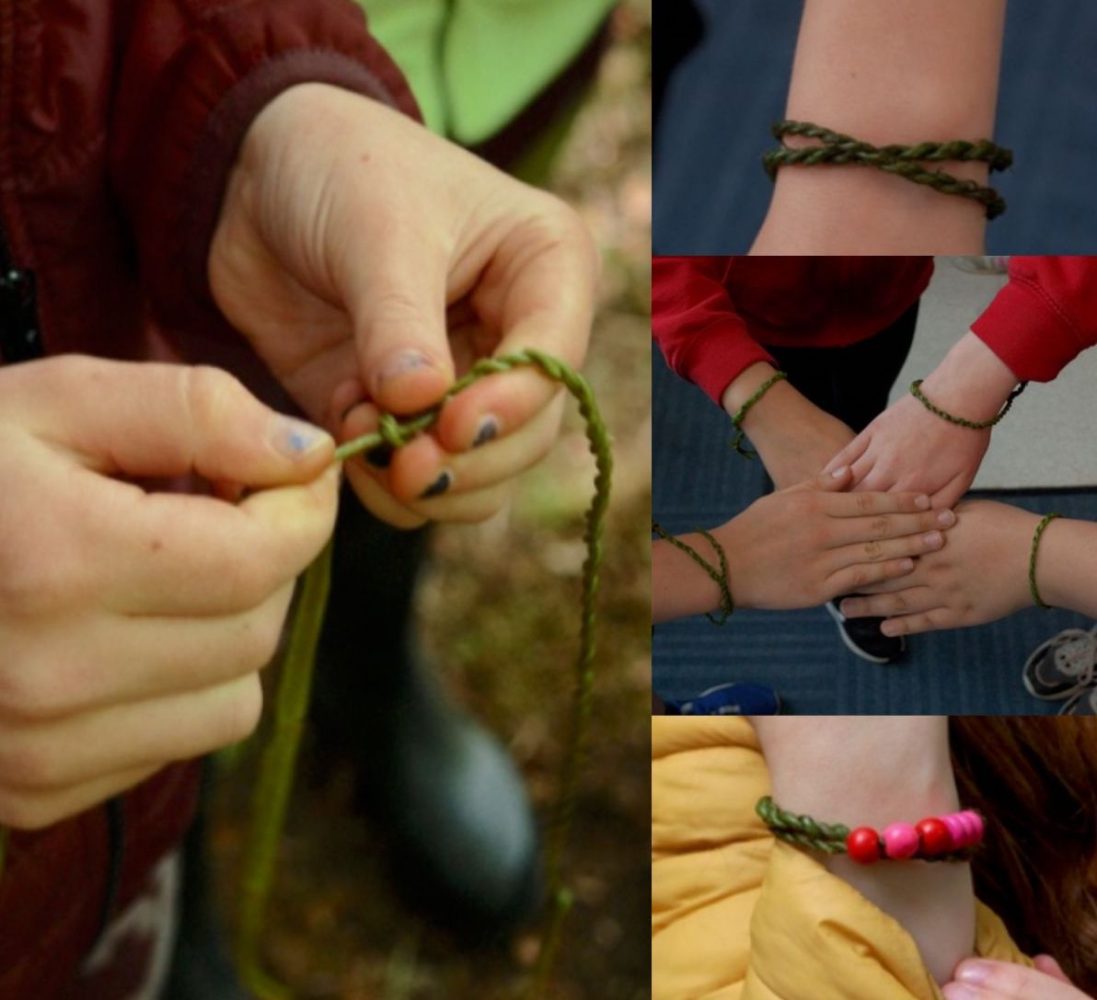
Collect Nettles & Make Your Own Nettle String Bracelet. Run by Instinctively Wild
Find, prepare and craft your own nettles to create nettle string, which can then be used to make a bracelet. Step-by-step instructions, guided by your expert workshop leader.
The workshop runs at 11:15 am and 2 pm
90 minutes
Spots are strictly limited to allow for full participation in the activity. Booking in advanced strongly recommended.
All participants need a valid Festival entry ticket to access the workshop.
Fee: £5 per participant
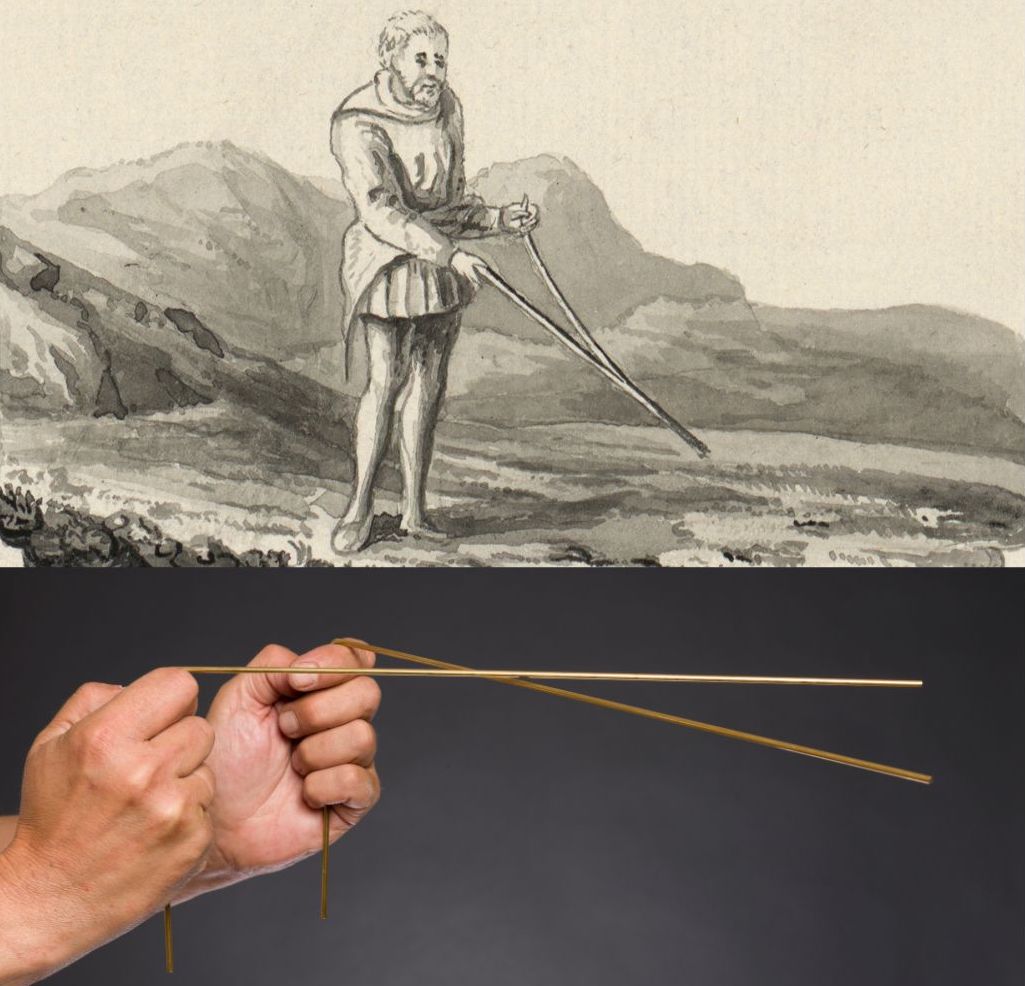
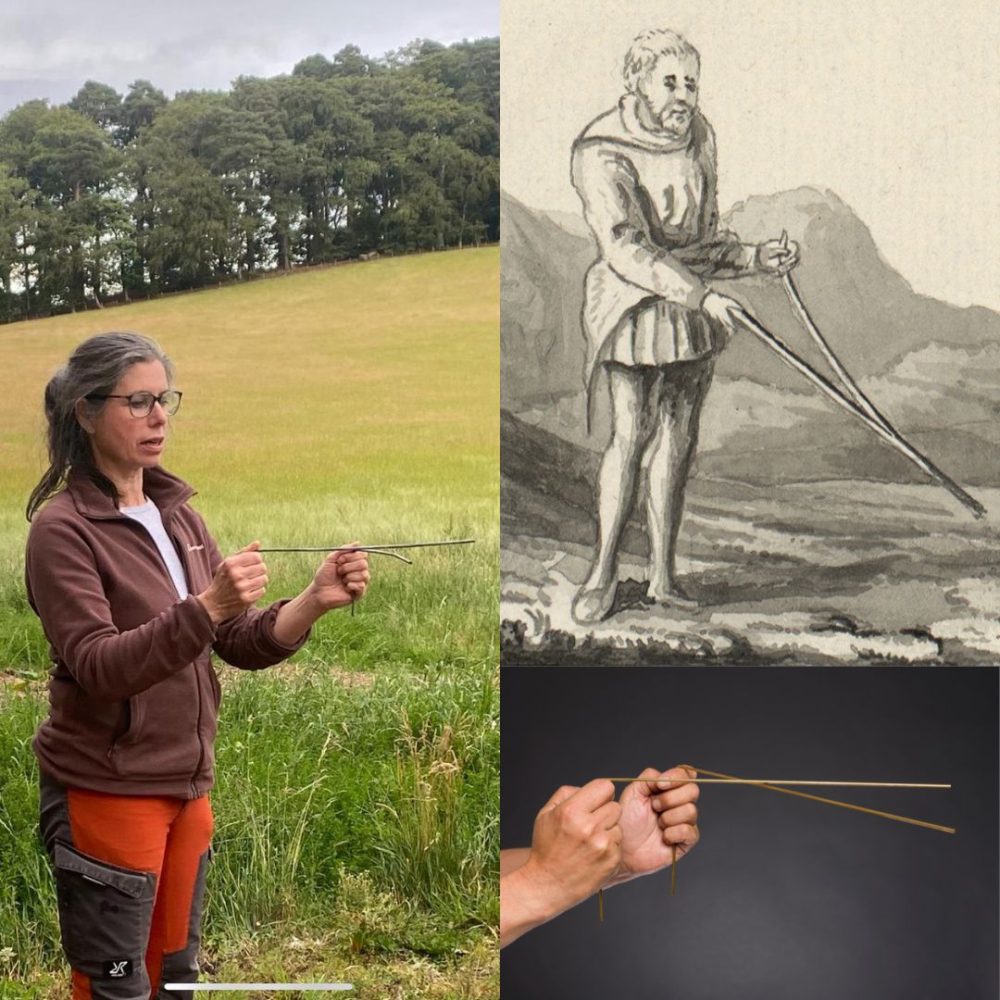
Historical Dowsing Workshop
These taster sessions of dowsing, also known as divining, will be led by Gert and Sabine, who have both practised divining for many years. Gert was introduced to divining by a colleague who taught archaeology and has discovered that it is not only used for locating water or electricity, but also for identifying historical structures and other materials. It has become a fascinating subject that she continues to explore and learn more about. Sabine is an archaeologist who enjoys combining traditional archaeological excavation methods with the more instinct-driven art of divining.
The workshop ticket includes all equipment.
Suitable for ages 14 years +
Approx. 50 minutes.
Sessions take place at 10:30 am, 11:30 am, 12:30 pm, 1:30 pm and 2:30 pm.
FREE workshop – booking required. Places are limited for each session to ensure full participation.
All participants need a valid Festival entry ticket to access the workshop.
Supported by Historic Environment Scotland and our event partners and contributors.

Festival FAQs
Where is the festival taking place?
The Roman & Iron Age Festival takes place at the Trimontium Fort Site in Newstead, near Melrose in the Scottish Borders.
What are the festival opening hours?
The festival runs from 10am to 4pm on Saturday 1 August 2026.
Do I need to book tickets in advance?
Advance booking is recommended and some workshops have limited spaces. Tickets may be available on the day, subject to availability. Ticket prices increase on the day.
Is parking available?
Yes. Parking will be available at the NHS site opposite the fort site, with additional overflow parking available nearby. Accessible parking spaces will be provided along the road adjacent to the fort site for visitors who require them. Please follow event signage and steward directions on arrival.
Is the festival accessible?
We are committed to making the festival as accessible as possible. As this is an outdoor event taking place in a historic field, visitors should expect grass, uneven ground and natural terrain in some areas. However, we are delighted to be working with Galashiels Mobility Centre to provide a limited number of off-road wheelchairs and mobility scooters designed for outdoor use. Accessible parking and accessible toilets will also be available. If you have specific access requirements, please contact us in advance and we will do our best to help.
Are there accessible toilets?
Yes. Accessible toilet facilities will be available on site.
Can I bring my dog?
Well-behaved dogs on leads are welcome. Please ensure you clean up after your dog and be mindful of other visitors, living history demonstrations, and performances. Please be aware that there may be livestock in surrounding fields and loud demonstrations taking place throughout the day. If your dog is excessively barking or causing a disturbance, you may be asked to leave to ensure everyone can enjoy the festival.
Will there be food and drink available?
Yes. A selection of food and drink vendors will be on site throughout the day, offering a range of refreshments.
What should I wear?
This is an outdoor event, so we recommend dressing for the Scottish weather and wearing suitable footwear for walking on grass and uneven ground.
What happens if it rains?
The festival will go ahead in all but the most extreme weather conditions. Please come prepared for whatever the Scottish summer decides to bring!
Is the festival suitable for children?
Absolutely. The festival is designed for all ages, with storytelling, hands-on activities, living history, demonstrations, and plenty of opportunities for families to explore together.
Will there be places to sit?
Yes. Informal seating will be available around the festival site using hay bales, providing places to rest and enjoy the demonstrations and performances. If you require additional seating or have specific accessibility needs, please speak to a member of our team on the day or contact us in advance.
Who can I contact if I have a question?
Please contact the Trimontium Museum team at info@trimontium.co.uk and we will be happy to help.
Back to Events