
The Trimontium Museum reopens on 13th February 2026 for lots of half term fun! Opening Times: 10.30am-4pm 2026 Bookings now open:
 

February Talk — East Lomond: The Development of the Southern Pictish Kingdoms

New Event
Home | February Talk — East Lomond: The Development of the Southern Pictish Kingdoms
February Talk — East Lomond: The Development of the Southern Pictish Kingdoms
Thursday 12th February 2026
7:30 PM -
 9:00 PM

7:30 PM
-
9:00 PM
LocationOnline via Zoom
 

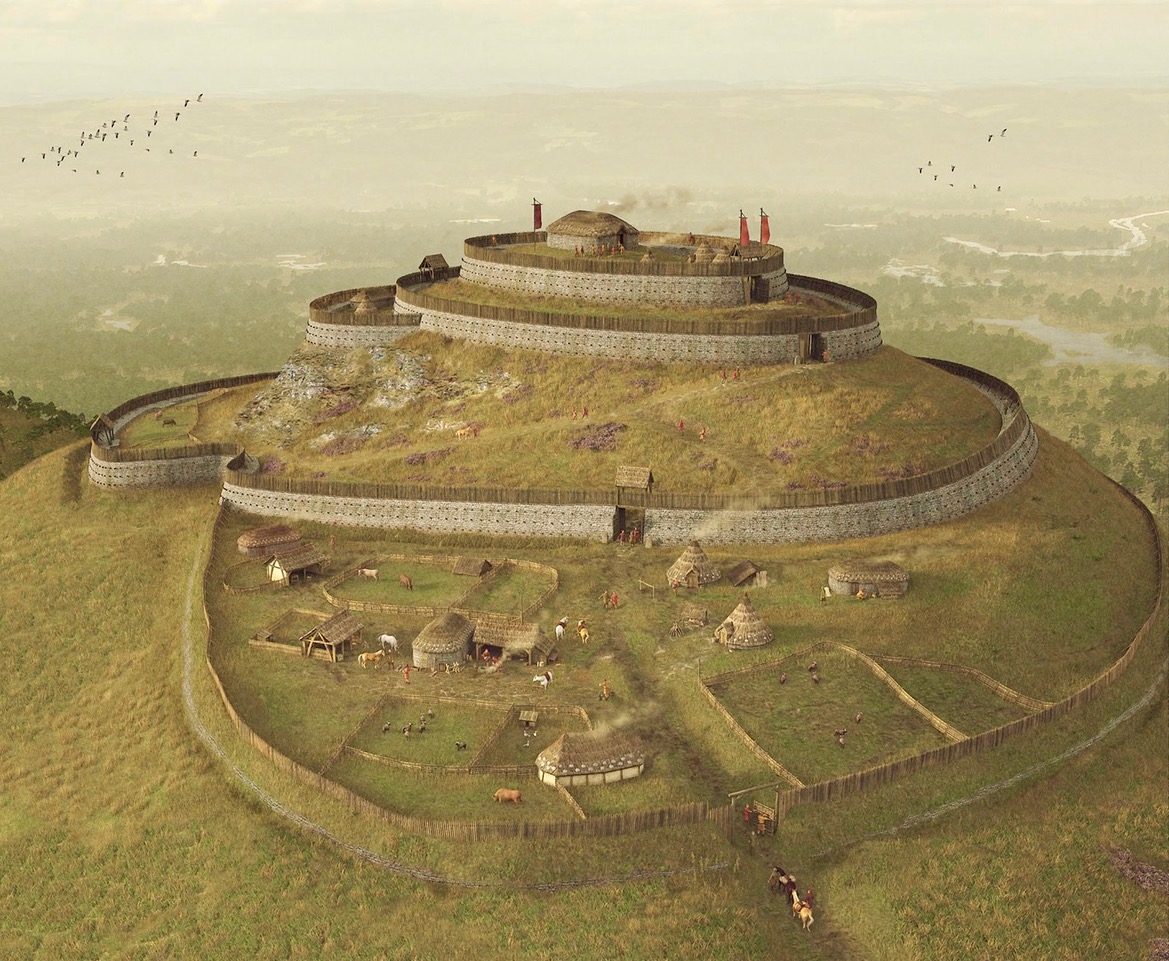
East Lomond: The Development of the Southern Pictish Kingdoms

In this talk Prof Gordon Noble will outline the latest progress on work on the southern Pictish kingdoms. The Picts – ‘the painted people’ – were first mentioned in late Roman sources in AD 297 as a collective name for troublesome, barbaric peoples, living north of the Roman frontier. The Picts went on to become the dominant kingdom in northern Britain, forming the precursor to the medieval kingdom of Alba and latterly of Scotland. The Picts have long remained an enigma due to the dearth of historical sources they left behind, and the archaeological record has been very difficult to populate too. The lecture will focus on some recent discoveries at East Lomond, Fife, a majorhill fort where the sequence extends from the 3rd to the 7th century AD. The talk will outline the latest finds and contextualize the site in terms of developments in the Roman Iron Age and the post-Roman period. 

Back to Events

 
This website uses cookies
This site uses cookies to enhance your browsing experience. We use necessary cookies to make sure that our website works. We’d also like to set analytics cookies that help us make improvements by measuring how you use the site. By clicking “Allow All”, you agree to the storing of cookies on your device to enhance site navigation, analyse site usage, and assist in our marketing efforts.
These cookies are required for basic functionalities such as accessing secure areas of the website, remembering previous actions and facilitating the proper display of the website. Necessary cookies are often exempt from requiring user consent as they do not collect personal data and are crucial for the website to perform its core functions.
A “preferences” cookie is used to remember user preferences and settings on a website. These cookies enhance the user experience by allowing the website to remember choices such as language preferences, font size, layout customization, and other similar settings. Preference cookies are not strictly necessary for the basic functioning of the website but contribute to a more personalised and convenient browsing experience for users.
A “statistics” cookie typically refers to cookies that are used to collect anonymous data about how visitors interact with a website. These cookies help website owners understand how users navigate their site, which pages are most frequently visited, how long users spend on each page, and similar metrics. The data collected by statistics cookies is aggregated and anonymized, meaning it does not contain personally identifiable information (PII).
Marketing cookies are used to track user behaviour across websites, allowing advertisers to deliver targeted advertisements based on the user’s interests and preferences. These cookies collect data such as browsing history and interactions with ads to create user profiles. While essential for effective online advertising, obtaining user consent is crucial to comply with privacy regulations.