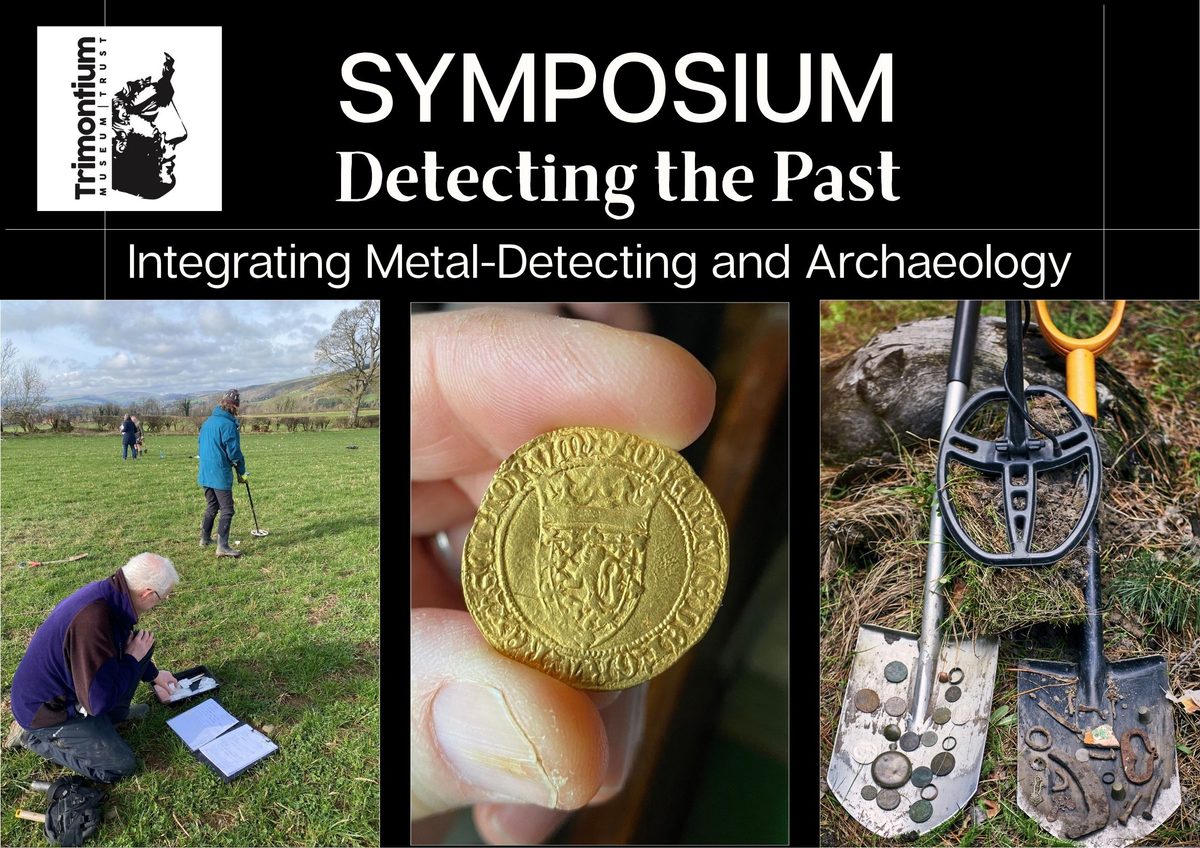
TRIMONTIUM brings you our second Symposium!
10 AM to 5:45 PM (Drinks reception 5:45 – 6:45 pm)
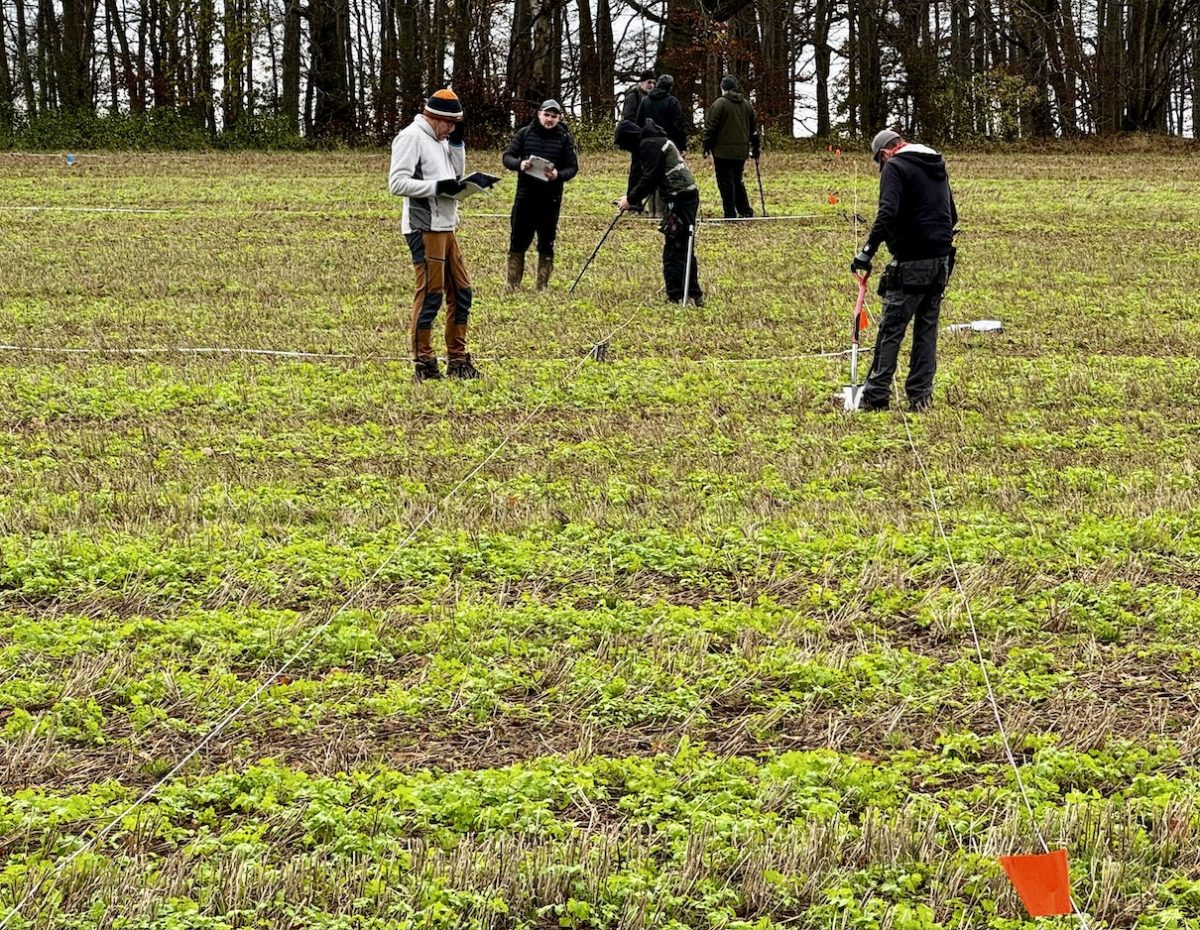
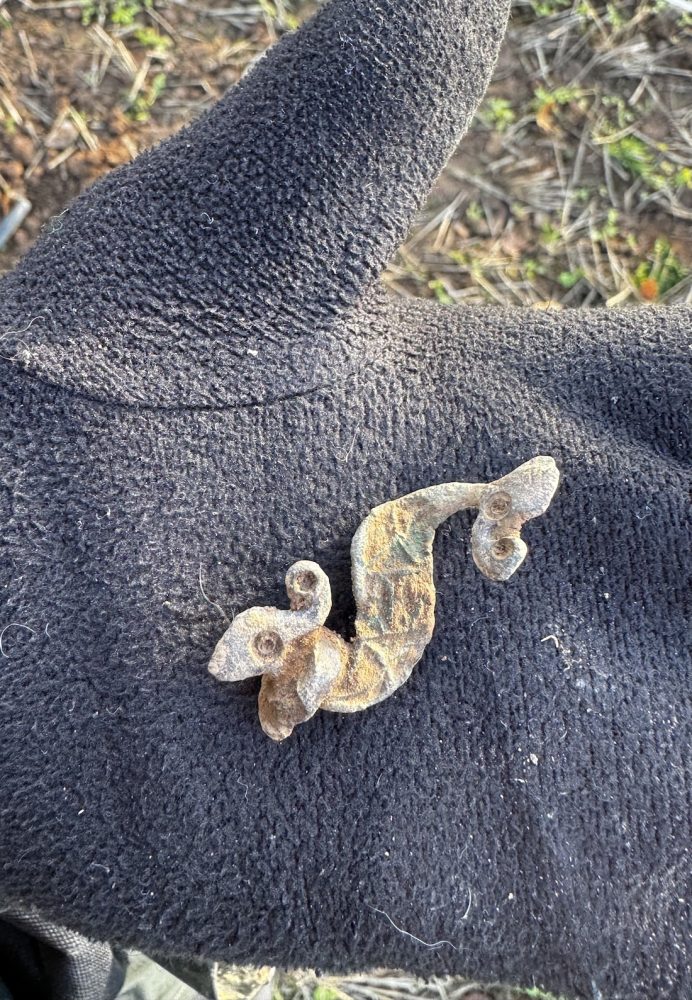
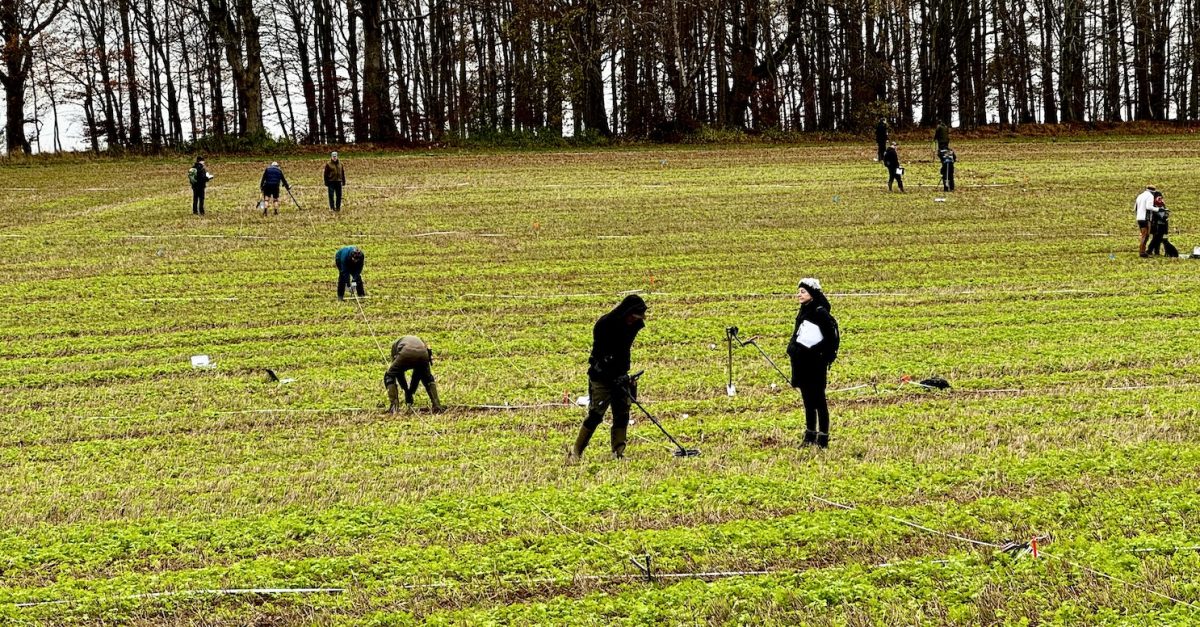
Despite past conflicts, professional archaeologists and committed metal-detectorists now frequently collaborate, especially in regions with robust reporting structures, such as the UK. Here, detectorists have pointed the way to some of the 21stcentury’s most spectacular archaeological discoveries.
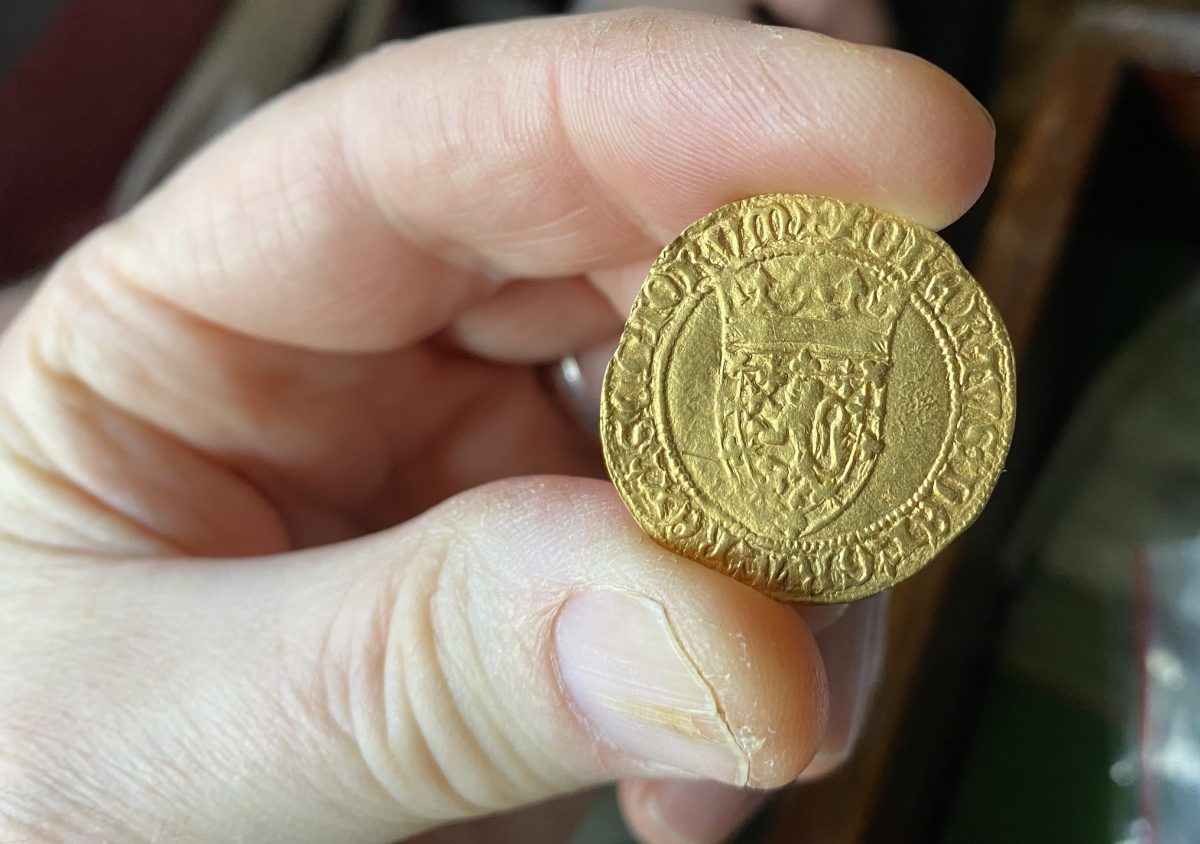
Things have also moved on considerably in the last few decades in detecting’s contribution to the wider field of archaeology, and now structured metal detecting is one of the cornerstones of conflict archaeology and has completely changed the face of British numismatics.
Join us at Detecting the Past to learn about best practice, areas of success and ongoing debate. Let’s celebrate a new era of collaboration, hear about groundbreaking discoveries, and shape the future of ethical exploration of our shared heritage.
SPEAKERS
For abstracts of each talk CLICK HERE.
ANTONY LEE – Treasure Trove Unit
Treasure Trove in Scotland: metal detecting, data and digital dissemination
KEITH WESTCOTT – Detectorists Institute and Foundation
SPIAS: Systematic, Partial and Intensive Artefact Survey: The Practitioner Detectorist and metal detecting as a non-intrusive archaeological evaluation technique
DAVID CONNOLLY – BAJR
Stepping into the field – Archaeology and Metal detecting.
STUART CAMPBELL – Trimontium Trust and University of Manchester
Learning from the Trimontium Museum metal detecting surveys
JOHN REID – Trimontium Trust
Wide area metal detection: a game changer in conflict archaeology
SUZIE THOMAS – University of Antwerp – Grounded Memories – the Intangible Cultural Heritage of Metal Detecting in the Netherlands
CHRISTINA SEEHUSEN, THOMAAS G. MIKKELSEN, SEBASTIAN G. HOSTRUP, ANDREAS S. DOBAT – The Many Faces of Metal Detecting
CHRIS GRIFFITHS – Manchester Museum – Treasure and Collecting in Museums
FRASER HUNTER – National Museums Scotland
BRIDGET MCGILL – SAFAP
Full programme will be revealed soon!
IN PERSON registration includes Buffet Lunch, Teas & Coffees, Informal Drinks Reception
A link to the recording of all the talks will be sent to all participants (including in-person and online only registrants)
Check back for updates or sign up for our newsletter to be the first to know!
Extend your symposium experience:
As a symposium delegate, you can take advantage of a discounted registration fee for our exclusive Osteoarchaeology Workshop with Dr Andrew Newton, taking place the following day. This small-group session offers a unique opportunity to explore osteoarchaeology in greater depth. Places are limited.