The Trimontium Museum reopens on 13th February 2026 for lots of half term fun! Opening Times: 10.30am-4pm 2026 Bookings now open:
 

May Talk – Roman Aqueducts

Home | May Talk – Roman Aqueducts
May Talk – Roman Aqueducts
Thursday 14th May 2026
7:30 PM -
 9:00 PM

7:30 pm
-
9:00 pm
LocationTrimontium Museum & Online
Non members - £5 / Members - Free
 

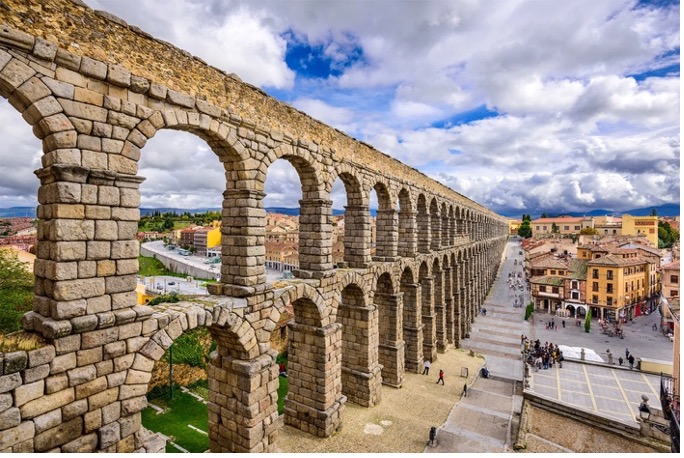
The Romans placed great emphasis on the long-distance transport of water from its source to the point of use. They developed a characteristically Roman form of this technology, the aqueduct, combining technological advances such as accurate surveying, the arch and sophisticated mortars. Aqueducts delivered fresh water to Roman towns and villas all over the Roman world to a degree unmatched until the modern period. Limestone deposits that formed in Rome’s aqueducts while they were flowing can tell us a lot about how they functioned and the climate and environment at the time. New scientific analyses reveal a very detailed rainfall distribution and the impact of the building of a dam on the Aniene River, upstream of the aqueduct intake.

Dr Duncan Keenan-Jones is a Lecturer in Classical Archaeology at the University of Manchester, with an honorary affiliation at the University of Queensland’s Centre for Policy Futures. His research brings together archaeology, ancient texts and environmental science to explore Roman water management, climate and how ancient societies shaped — and were shaped by — their landscapes

This talk takes place both in-person and online via Zoom

Trimontium Members, all talks are included as part of your membership. You will automatically be sent Zoom joining details as part of your membership 48 hours prior to the talk. If you wish to book an in-person place please reserve your spot through the booking form on this page.

Non members attending online will receive the joining details via email within 48 hours prior to the talk.

Back to Events
 
This website uses cookies
This site uses cookies to enhance your browsing experience. We use necessary cookies to make sure that our website works. We’d also like to set analytics cookies that help us make improvements by measuring how you use the site. By clicking “Allow All”, you agree to the storing of cookies on your device to enhance site navigation, analyse site usage, and assist in our marketing efforts.
These cookies are required for basic functionalities such as accessing secure areas of the website, remembering previous actions and facilitating the proper display of the website. Necessary cookies are often exempt from requiring user consent as they do not collect personal data and are crucial for the website to perform its core functions.
A “preferences” cookie is used to remember user preferences and settings on a website. These cookies enhance the user experience by allowing the website to remember choices such as language preferences, font size, layout customization, and other similar settings. Preference cookies are not strictly necessary for the basic functioning of the website but contribute to a more personalised and convenient browsing experience for users.
A “statistics” cookie typically refers to cookies that are used to collect anonymous data about how visitors interact with a website. These cookies help website owners understand how users navigate their site, which pages are most frequently visited, how long users spend on each page, and similar metrics. The data collected by statistics cookies is aggregated and anonymized, meaning it does not contain personally identifiable information (PII).
Marketing cookies are used to track user behaviour across websites, allowing advertisers to deliver targeted advertisements based on the user’s interests and preferences. These cookies collect data such as browsing history and interactions with ads to create user profiles. While essential for effective online advertising, obtaining user consent is crucial to comply with privacy regulations.