Bringing Iron Age Trimontium to Life
Long before Roman soldiers marched beneath the Eildon Hills, this landscape was home to thriving Iron Age communities.
For generations, families lived, farmed, crafted and built their homes here, shaping the landscape long before the arrival of Rome and continuing to do so long after the legions had departed.
Yet today, while the story of the Roman fort at Trimontium is increasingly well known, the lives of the people who called this place home remain largely hidden.
Tribryn is changing that.
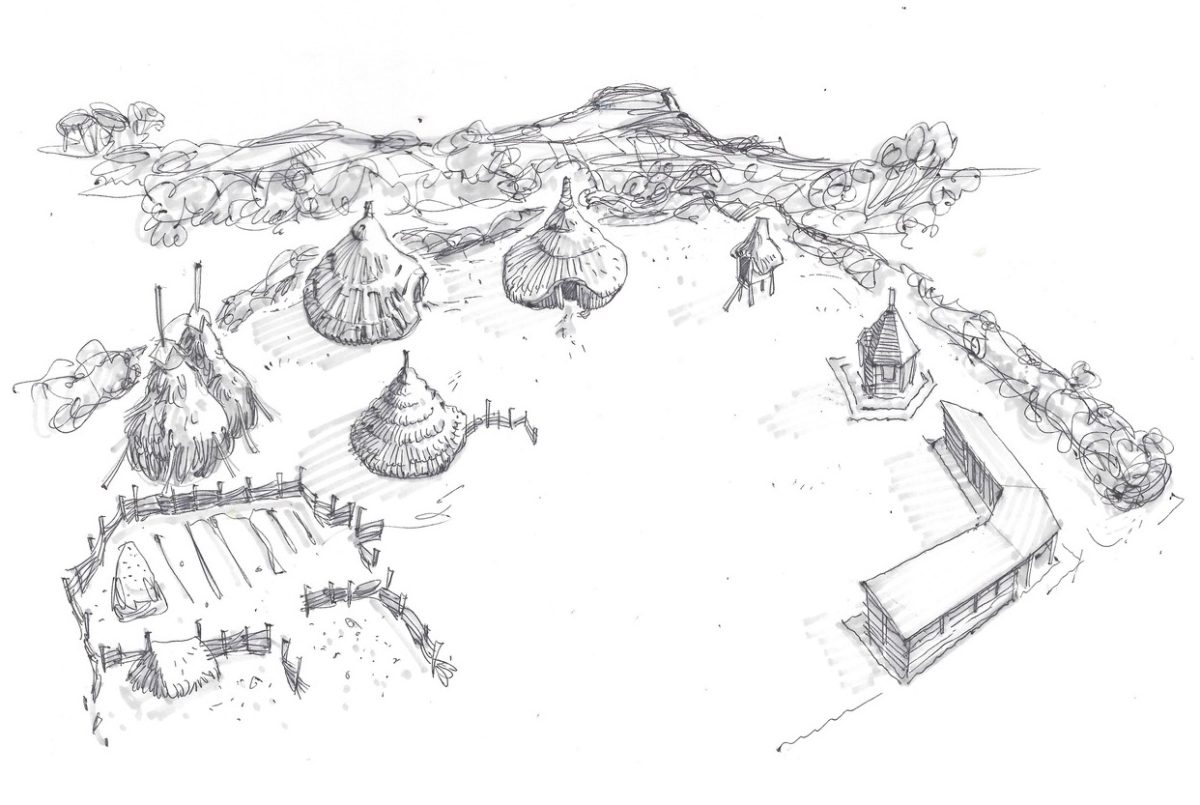
Our vision is to create the Scottish Borders’ first Iron Age reconstruction site, bringing this remarkable chapter of our shared heritage back to life through archaeology, education and community.
A New Chapter for Trimontium
Time marches on—and so does Trimontium.
Over the coming years, we will continue our mission to bring the ancient landscape beneath the Eildon Hills to life.
New technology will enable visitors to experience the Roman fort in entirely new ways, revealing the buried remains beneath their feet through immersive interpretation. Alongside this, old technology will help us tell an even older story.
Through the reconstruction of an authentic Iron Age roundhouse, Tribryn will celebrate the communities who lived, farmed and flourished here, helping visitors experience life in Iron Age Scotland in a way that books and displays simply cannot.
Together, these projects will allow visitors to explore two cultures that shaped this remarkable landscape.
Why an Iron Age Roundhouse?
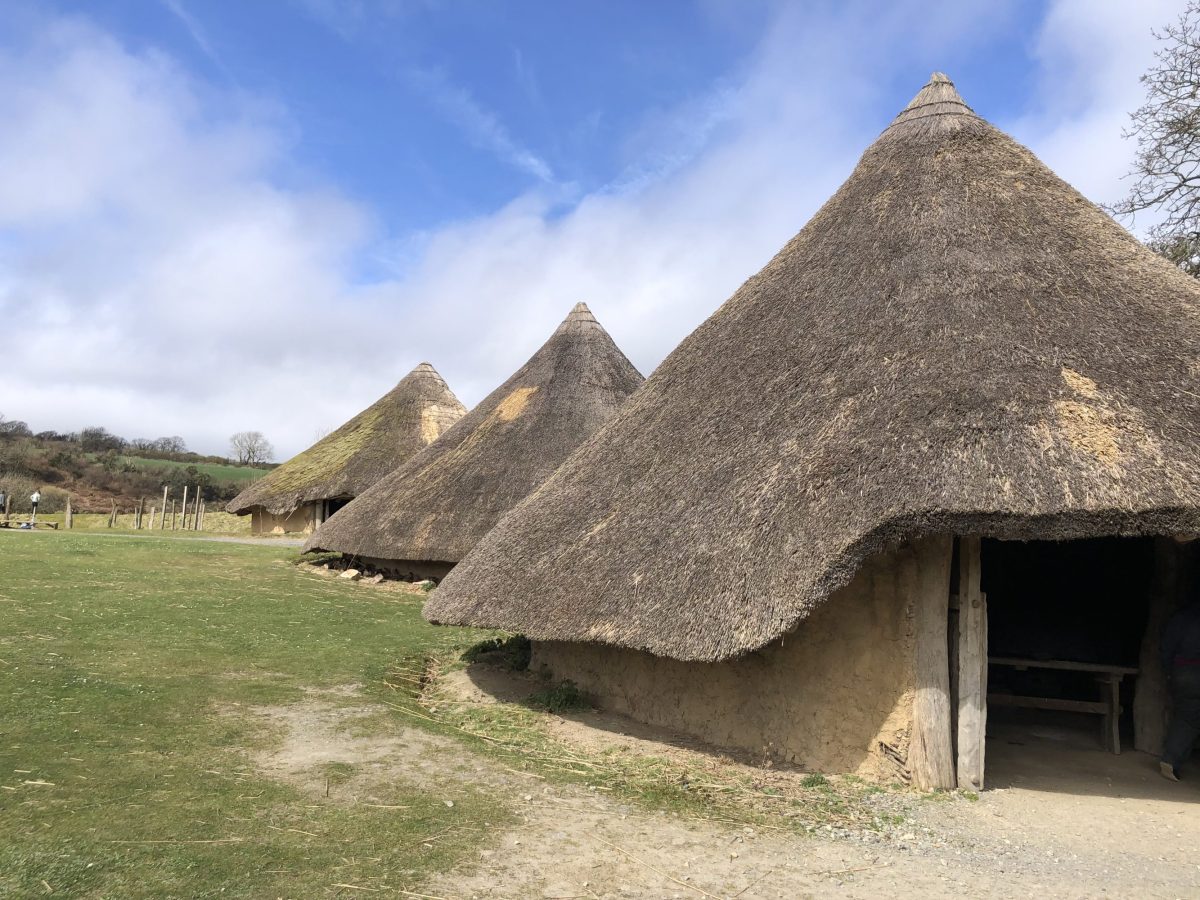
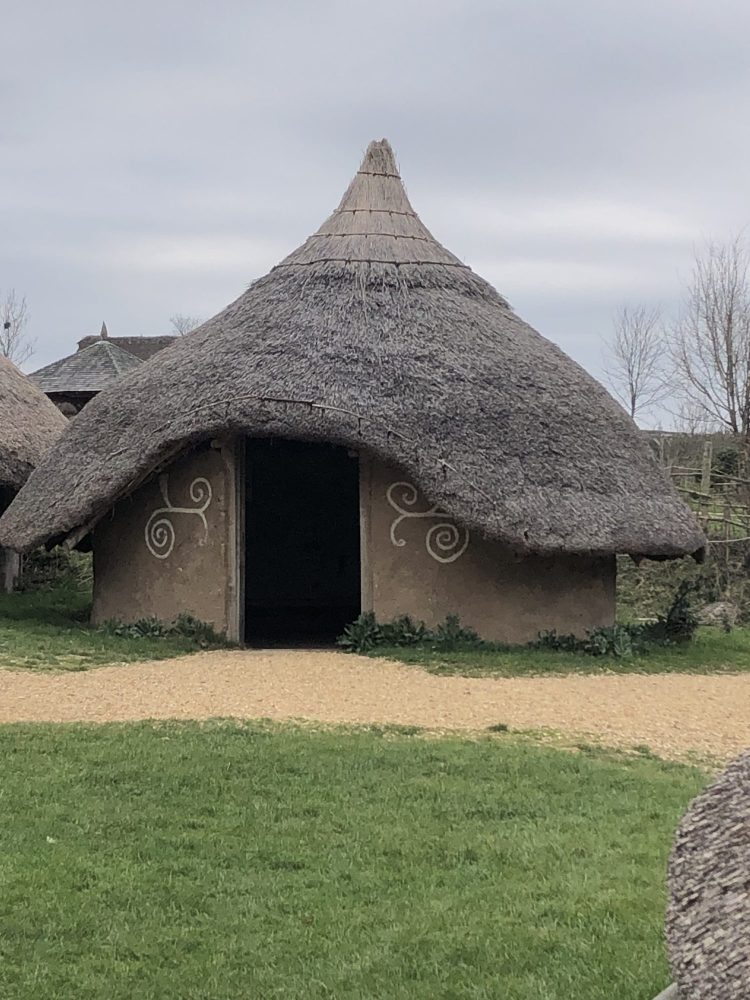
Roundhouses were the most common type of building used by Iron Age communities across Britain.
Built using timber, woven hazel, turf, stone and thatch, they were ingenious structures perfectly adapted to their environment. They served as homes, workshops and centres of everyday life.
The landscape around Trimontium provides compelling evidence of just how important these communities were.
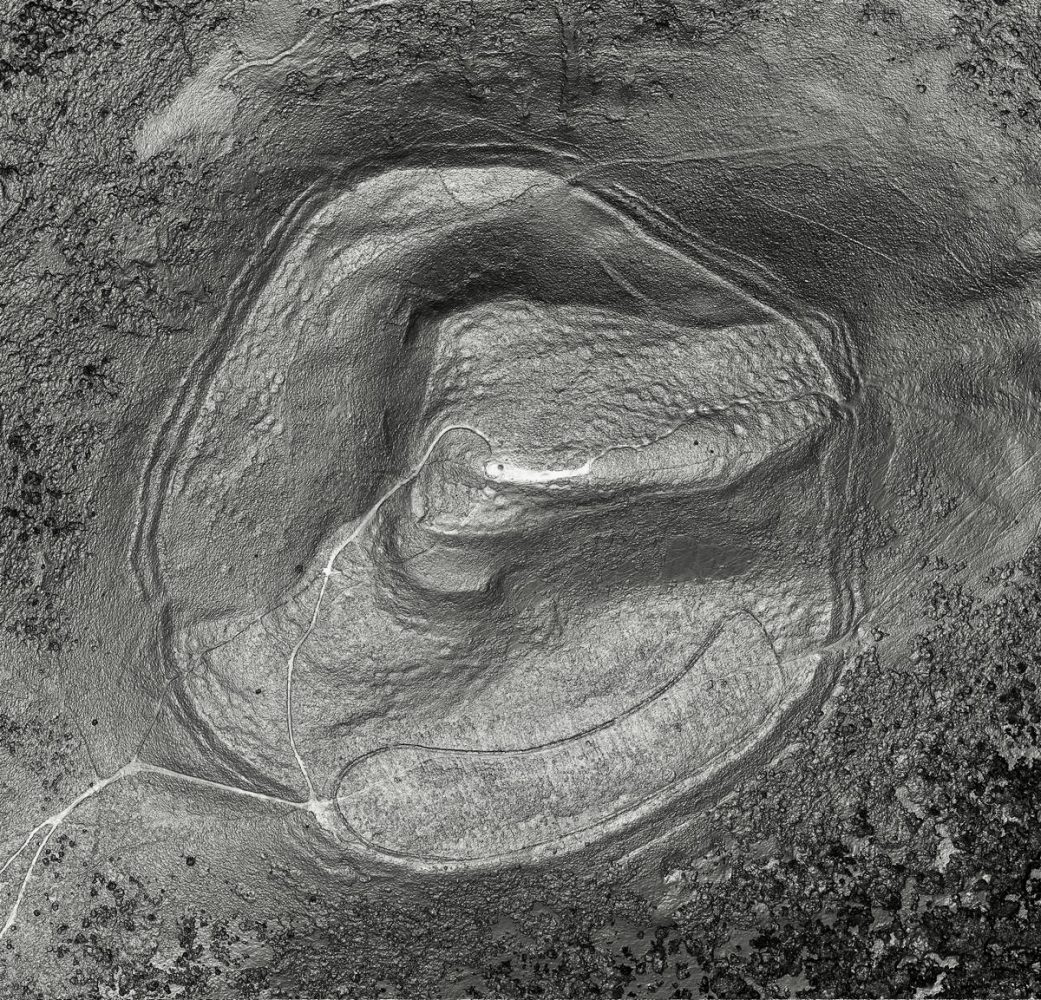
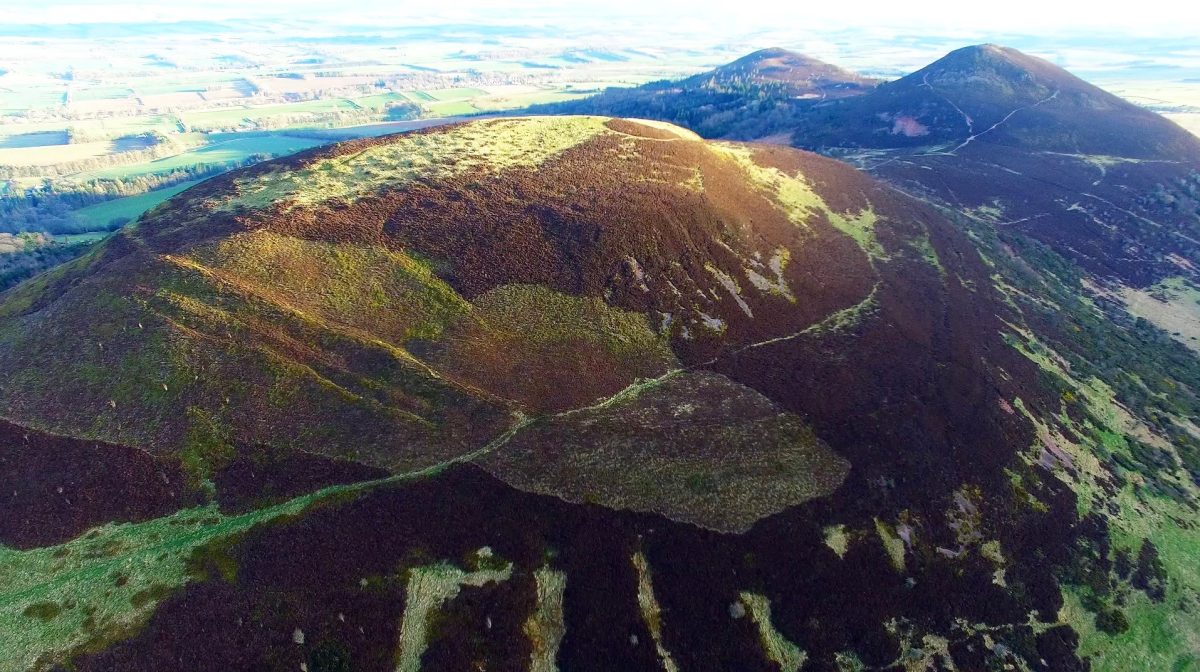
Archaeologists have identified the remains of more than 300 roundhouses around Eildon Hill North, making this one of the most significant Iron Age landscapes in southern Scotland.
Tribryn’s first roundhouse will be inspired by archaeological evidence and traditional building techniques, creating an authentic space where visitors can experience the past first-hand.
More Than a Building
The first roundhouse is only the beginning.
Our ambition is not simply to reconstruct a single structure, but to create a vibrant heritage destination where people of all ages can experience Iron Age life through hands-on learning and participation.
Tribryn will become a place for:
- Living history demonstrations
- Experimental archaeology
- Traditional craft workshops
- School visits and educational programmes
- Community volunteering
- Heritage skills training
- Storytelling and interpretation
- Festivals and special events
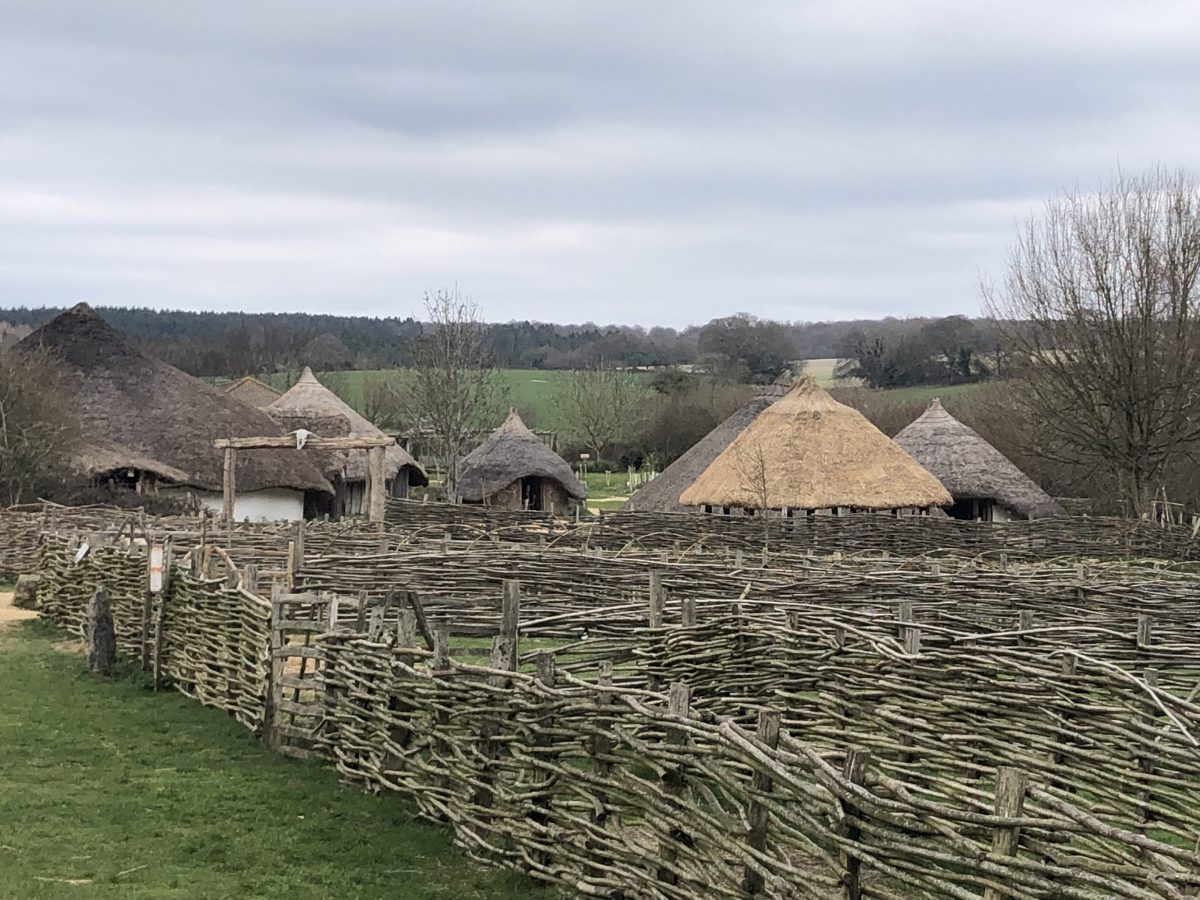
Over time, we hope the site will grow into a living Iron Age settlement, complementing the Roman story already told at Trimontium Museum.
Learning from Others
Across the UK, reconstructed Iron Age settlements have become thriving centres for heritage, education and community engagement.
Projects such as Butser Ancient Farm, Castell Henllys Iron Age Village, and The Scottish Crannog Centre demonstrate how reconstruction can transform archaeological understanding into memorable experiences for visitors.
Tribryn builds upon this success while creating something unique for the Scottish Borders.
Why “Tribryn”?
The Romans knew this place as Trimontium—”the place of the three hills”—a name inspired by the iconic Eildon Hills that dominate the landscape.
It is possible that the Romans were translating or adapting an even older local name.
The name Tribryn draws inspiration from the Brittonic language once spoken in this region, reflecting the area’s Iron Age heritage and celebrating the people whose stories we seek to bring back into the spotlight.
How You Can Help
Tribryn is a community project, and we’d love you to be part of it.
While the materials needed to build an Iron Age roundhouse are relatively simple, creating a sustainable heritage destination requires much more. Skilled labour, visitor facilities, interpretation, ongoing maintenance and educational programming are all essential to ensuring the project thrives for generations to come.
Whether you choose to volunteer your time, share your skills, make a donation or simply spread the word, your support will help turn this vision into reality.
Together, we can create the Scottish Borders’ first Iron Age reconstruction site.
Be Part of the Story
The people who lived beneath the Eildon Hills left their mark on this landscape over two thousand years ago.
Now, together, we have the opportunity to ensure their story is once again seen, heard and experienced.
Join the Tribryn Project.
Get in touch: info@trimontium.co.uk
All Images ©TrimontiumTrust
- Artistic rendering of how Tribryn may look like
- Eildon Hill North – aerial view
- Roundhouses at Castel Henlys –
- Eildon Hill North
- Iron Age roundhouse at Butser Ancient Farm
- View of various roundhouses at Butser Ancient Farm
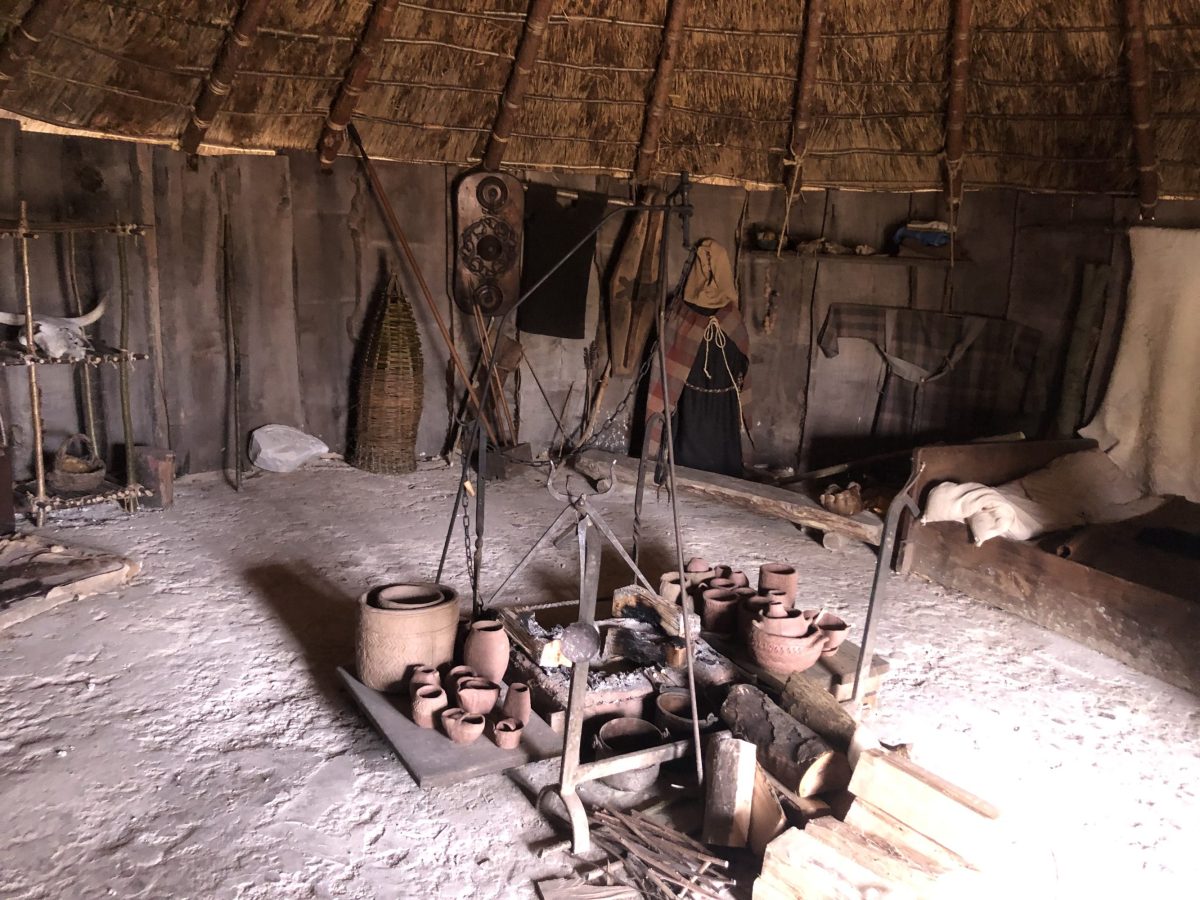
- Interior of a roundhouse at Butser Ancient Farm